Fri, 05 Jun 2026
post
Bangladesh

US mission urges meaningful dialogue for credible and inclusive polls in Bangladesh

By Abu Jakir In an effort to promote transparency and credibility ahead of the upcoming national elections in Bangladesh, the United States pre-election assessment mission has released a set of recommendations aimed at fostering an environment conducive to a credible, inclusive, and violence-free electoral process. The mission, comprising representatives from the International Republican Institute (IRI) and the National Democratic Institute (NDI), emphasized the urgent need for a substantive dialogue among political parties and stakeholders to address key election issues.During their visit from 8th to 11th October, the assessment team engaged in discussions with prominent figures including the Prime Minister, the Chief Election Commissioner, leaders of various political parties, and members of civil society. Following their comprehensive evaluation, the team underscored the importance of collaborative efforts to ensure the integrity of the electoral process and to uphold democratic values in the nation.The mission’s publication, issued from Washington on Saturday, articulated a roadmap consisting of five crucial recommendations that would facilitate a smooth and transparent electoral process. These recommendations included a call for protecting freedom of expression and fostering an open civic space where diverse opinions are respected. Moreover, the mission urged a commitment to nonviolence, holding perpetrators of political violence accountable, and creating conditions that allow all parties to engage in meaningful political competition, emphasizing the bolstering of independent election management.Furthermore, the team stressed the necessity for all stakeholders, including the election commission, government, and political parties, to embrace a moderate approach in their rhetoric and engage in open and substantive dialogue on crucial election issues. The mission underlined the significance of promoting a culture of inclusive electoral participation among citizens, recognising that the legitimacy of the electoral process ultimately lies in the hands of the people of Bangladesh.Expressing their unwavering support for the strengthening of democratic institutions in Bangladesh, the delegation conveyed their pre-election statement as a gesture of solidarity and encouragement.
post
Bangladesh

PM Sheikh Hasina inaugurates third terminal at Hazrat Shahjalal International Airport

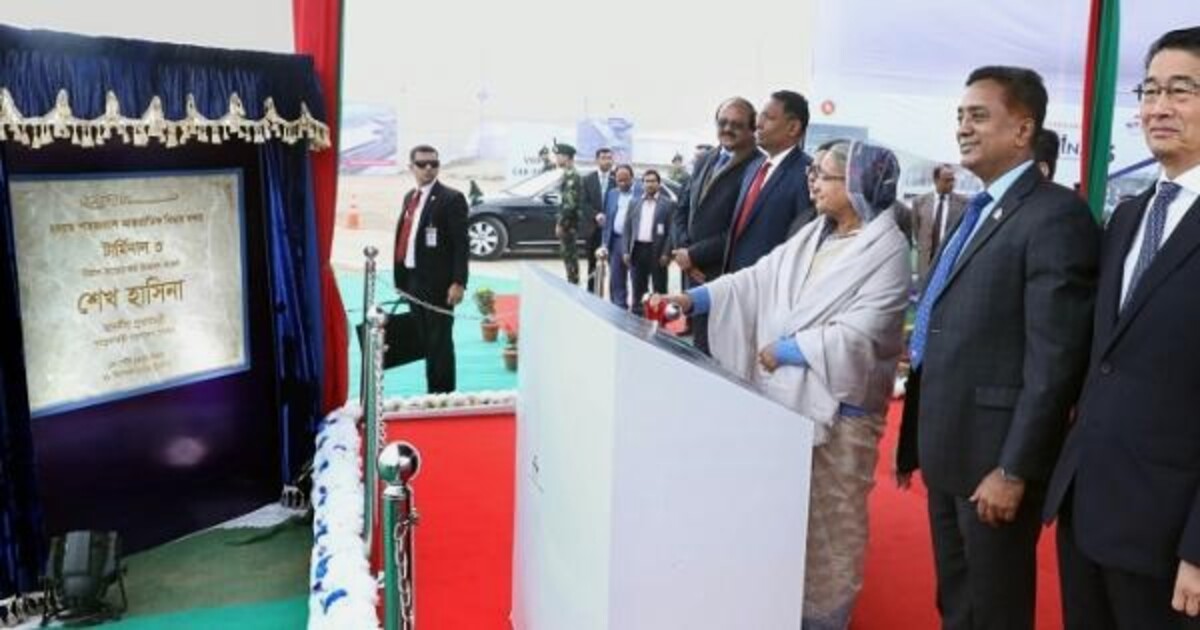
Prime Minister Sheikh Hasina presided over the "soft opening" ceremony of the third terminal at Hazrat Shahjalal International Airport (HSIA) on Saturday, marking a significant milestone in Bangladesh's aviation sector.During the inauguration, she unveiled a commemorative plaque, emphasizing her vision for Bangladesh to become an international aviation hub. Speaking at the event, Prime Minister Sheikh Hasina stated, "Bangladesh's Hazrat Shahjalal International Airport and Cox's Bazar International Airport will serve as international aviation hubs due to their strategic geographical locations." She pointed out that historically, Hong Kong, Singapore, and Dubai have held the title of international aviation hubs, but Bangladesh's unique position between East and West air routes positions it to become the next global aviation hub. The Prime Minister affirmed her government's commitment to upgrading the aviation sector to achieve this goal. The third terminal's soft opening is part of this comprehensive effort to enhance passenger services and security in Bangladesh's aviation industry. The event was attended by State Minister for Civil Aviation and Tourism Mahbub Ali, Vice-Minister for Foreign Affairs of Japan Masahiro Komura, Civil Aviation and Tourism Secretary Mokammel Hossain, and Civil Aviation Authority of Bangladesh (CAAB) Chairman Air Vice Marshal M Mafidur Rahman. Japan's Minister of Land, Infrastructure, Transport, and Tourism, Saito Tetsuo, was also present. After inaugurating the terminal, Prime Minister Sheikh Hasina toured the facility, gaining insights into its various sections. She even participated in a dress rehearsal of the immigration process, checked in her luggage, and received a boarding pass. Additionally, a video documentary showcasing the third terminal's features and another one highlighting the Civil Aviation Authority's activities were screened during the event. The opening of the third terminal at HSIA is a significant step toward transforming Bangladesh into a global aviation hub, which will not only boost tourism but also contribute significantly to the country's economy. Several foreign airlines are considering starting operations from HSIA in Dhaka ahead of the terminal's full operation. This development is expected to play a pivotal role in advancing Bangladesh's aviation sector. Currently, 90% of the third terminal's construction has been completed, and it is expected to be fully operational for passengers by the end of next year. The third terminal boasts a spacious and aesthetically pleasing design, with 12 boarding gates featuring double entry bridges set to be operational next year. An additional 14 boarding bridges will be installed later. The project, costing Taka 21,300 crore, began on December 28, 2019, with the government contributing Taka 5,000 crore and the Japan International Cooperation Agency (JICA) providing the remaining funding. Once the third terminal is fully operational, the annual passenger and cargo handling capacity of Dhaka Airport is expected to double. The HSIA's annual passenger handling capacity will increase from eight million to 24 million, and the airport will have the capability to handle 500,000 tonnes of cargo each year. The construction work on 37 new aircraft parking areas and two taxiways connecting to the apron area has already been completed. The third terminal is designed to seamlessly connect with a multimodal transport system, including an elevated expressway, an underground railway (MRT-5, Kamalapur to airport portion), and the airport railway station through an underground tunnel. Furthermore, hajj pilgrims will have access to the third terminal from Ashkona hajj camp through an underground tunnel. It is anticipated that a Japanese company will operate and maintain the third terminal under a public-private partnership arrangement.News/Abu jakir

post
Bangladesh

PM Sheikh Hasina warns against arson terrorism and inhuman atrocities ahead of general elections

Abu Jakir : In a stern warning issued during a community reception in her honor at the Methodist Central Hall Westminster, Prime Minister Sheikh Hasina reiterated that there would be no tolerance for incidents reminiscent of the 2013-14 arson terrorism and inhuman atrocities that shook Bangladesh in the name of political movements. The premier asserted that no mercy would be shown to those responsible for arson attacks, violence against common citizens, and the destruction of public and private properties in the lead-up to the next national election.Prime Minister Sheikh Hasina expressed her grave concerns about the violent acts perpetrated by the BNP-Jamaat alliance during 2013-14, where they carried out widespread chaos across the country. The alliance was accused of burning people to death and causing extensive damage by hurling petrol bombs from multi-modal vehicles, including passenger buses, trains, and launches, all under the guise of a so-called "movement."The consequences of these attacks were severe, with many people, including women, suffering critical burn injuries. These individuals have since been leading lives marred by the inhumanity of their injuries.Addressing the BNP directly, Sheikh Hasina stated, "We have no objection to your political movement, but when your actions result in the loss of innocent lives through arson terrorism and the destruction of our nation's properties, it becomes unacceptable. In the past, you even took the lives of 29 police personnel. If any such attempts are made on the lives of my distressed citizens, no leniency will be shown."Foreign Minister AK Abdul Momen and AL Publicity and Publication Secretary Abdus Sobhan Golap were also present at the event.Sheikh Hasina, who is also the president of the ruling Awami League, criticized the BNP's claims to uphold democracy, pointing out their history of manipulating and undermining the voting rights of the people. She referred to the farcical election held by the BNP on February 15, 1996, which led to their swift ousting from power by the people of Bangladesh within just one and a half months.Highlighting the BNP-Jamaat alliance's attempt to prepare a voter list with 1.23 crore fake voters, the Prime Minister contrasted their actions with the sacrifices made by Awami League leaders and activists in their struggle to establish voting rights and democracy in the country.Sheikh Hasina reassured the nation of her commitment to holding free and fair elections. She emphasized that her government had implemented various reforms, including the establishment of the Election Commission and ensuring its financial independence. Transparent ballot boxes and a voter list with photographs were introduced to facilitate transparent elections.Addressing the ongoing movement by the BNP to send Khaleda Zia abroad for medical treatment, Sheikh Hasina clarified that she had allowed Khaleda Zia to stay home after suspending her jail term for corruption, exercising her executive power as the head of the government. She stressed that her actions were in accordance with the law, and she had no influence over the decision to send Khaleda Zia abroad for treatment.Regarding the expectation of sympathy from her, Sheikh Hasina pointed to various incidents in the past, such as the 15 August 1975 carnage, the 21 August 2004 grenade attacks, the conversion of Sheikh Rehana's house into a police outpost, and the incident of not being allowed to enter Khaleda Zia's house after the death of her son Koko. She questioned, "How do they expect more sympathy from me for Khaleda Zia?"In her closing remarks, the Prime Minister called upon Bangladeshi expatriates to send remittances through official banking channels. She highlighted their significant contributions to Bangladesh's progressive and democratic movements, including the War of Liberation in 1971.Amidst rising inflation due to the Ukraine war and sanctions, Sheikh Hasina urged citizens not to leave any land uncultivated, emphasizing the importance of self-sufficiency in food production.

post
Bangladesh

Bangladeshi-Americans demand withdrawal of congressmen letter

More than 500 Bangladeshi-Americans have firmly rejected a letter issued by 12 Congressmen regarding Bangladesh and are demanding its immediate withdrawal to ensure a seamless democratic process in Bangladesh.Leading the initiative, Syed Ali and Jay, residing in New York, have successfully gathered 509 signatures from the outraged Bangladeshi diaspora. They pointed out that the 12 Congress members failed to mention crucial information regarding criminal activities, terrorism acts, and minority oppression during the BNP-Jamaat coalition government in their letter. The sudden and intense interest displayed by the 12 Congress members in matters concerning Bangladesh has raised concerns among the general population of Bangladesh, according to the organizers. They further emphasized that such actions by the Congressmen are unacceptable. These sentiments were explicitly expressed in the application for signature collection, reflecting the deep concerns and reservations of the Bangladeshi-American community. Syed Ali and Jay, as organizers of this significant effort, have planned to promptly submit the collected signatures in written form to President Joe Biden. They firmly believe that the voice of the Bangladeshi-American community deserves to be heard and taken into consideration at the highest levels of the United States government. Furthermore, the signatures will also be delivered to the respective Congress members who authored the letter. This gesture highlights the significance of engaging in a fair and accurate assessment of the situation in Bangladesh and underscores the importance of addressing the concerns raised by the Bangladeshi-American community.

post
Bangladesh

Security Council adopts first-ever resolution on Myanmar situation, a new hope to resolve the Rohingya crisis

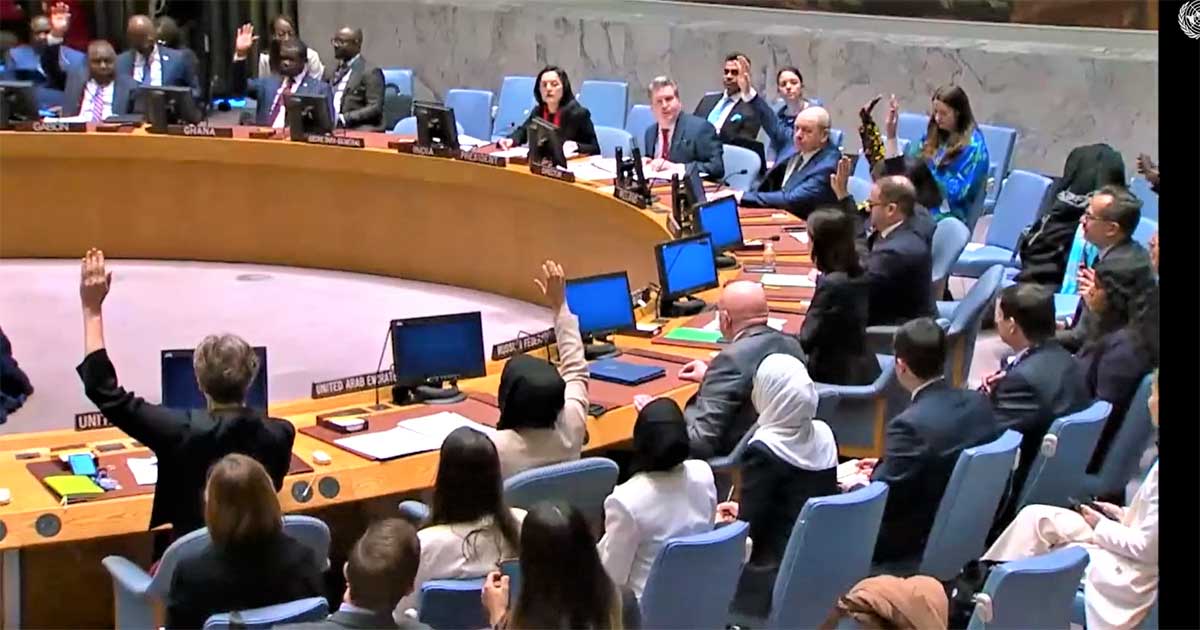
The United Nations Security Council adopted its first-ever resolution on “situation in Myanmar” placing an important focus on the Rohingya crisis and its sustainable solution. Referring to the ongoing political unrest in Myanmar, continuous deterioration of its democratic institutions and arbitrary detention of political leaders, the resolution, among others, urges for ending violence and inclusive political dialogue. As the penholder of the Myanmar situation in the Security Council the United Kingdom tabled the resolution which was adopted by12 votes in favor. While no members of the Council voted against or used veto power to block its adoption, China, Russia and India abstained from voting.In the context of multifaceted global challenges including Russia-Ukraine conflict, the resolution is a demonstration of the UN’s supreme body’s determination towards resolving the ongoing crisis in Myanmar. This resolution will further renew the attention of the global community towards the Rohingya crisis. Since the exodus of Rohingyas in Bangladesh in 2017, Prime Minister Sheikh Hasina made the position of Bangladesh clear to the international community that they must return to their homeland in Myanmar from their temporary shelter in Bangladesh. It may be mentioned that Bangladesh is now hosting more than 1.2 million Rohingyas out of humanitarian consideration. The resolution commends Bangladesh’s efforts for hosting and providing humanitarian support to the Rohingyas in Bangladesh. It also recognizes the implications of the current political situation in Myanmar on the voluntary, safe, dignified and sustainable return of Rohingya to Myanmar and on regional security. It underscores the need to address the root causes of the crisis in Rakhine State, and to create conditions necessary for the voluntary, safe, dignified and sustainable return of Rohingya refugees. The resolution also puts significant focus on ASEAN's role in implementing its Five Point Consensus agreed in 2021. As an immediate action, the resolution requests the UN Secretary-General and his Special Envoy on Myanmar to submit a report, on the possible support from UN on the implementation of ASEAN’s Five Point Consensus, by 15 March 2023 to the Security Council. The adoption of the resolution will serve as a first step to the regular discussion of the Security Council on Myanmar. It will also strengthen Bangladesh’s ongoing efforts towards sustainable solution to the Rohingya crisis. Bangladesh Permanent Mission in New York made significant contribution to the negotiations of the resolution. Ambassador and Permanent Representative of Bangladesh to the United Nations in New York, Muhammad Abdul Muhith held several bilateral meetings with the strategically important members of the Council and ensured that issues specific to Bangladesh’s interest were included in the resolution. This resolution bears the testimony of Bangladesh’s milestone success in multilateral efforts to resolve the Rohingya crisis.

post
Bangladesh

Bangladesh calls for reinvigorate efforts to ensure accountability regarding crimes against peacekeepers

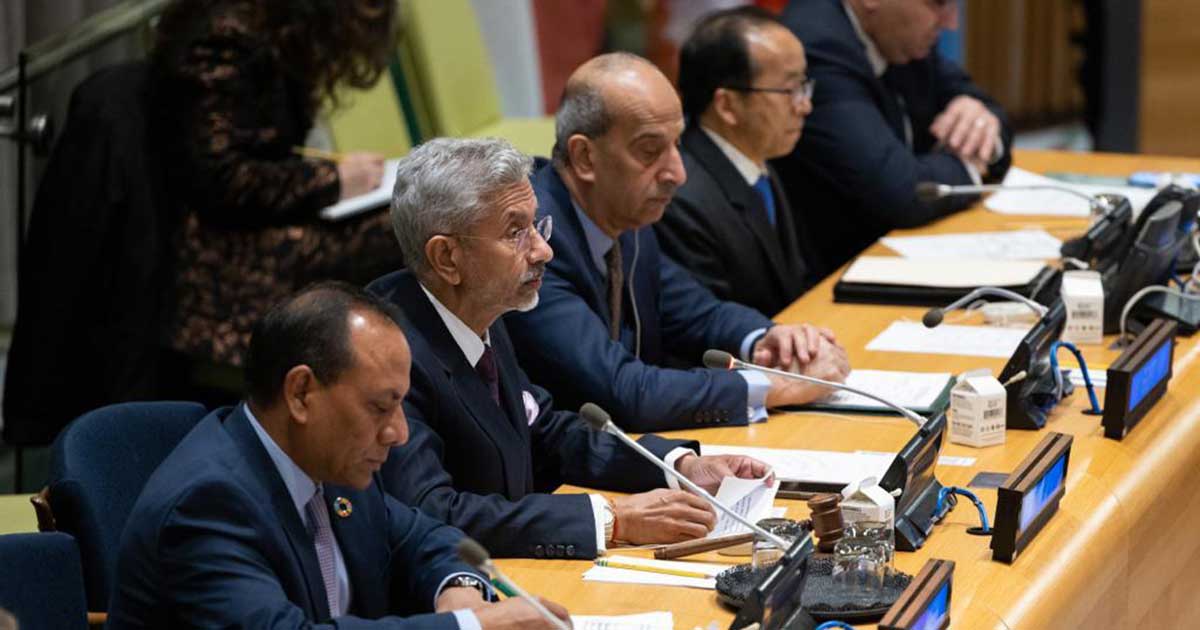
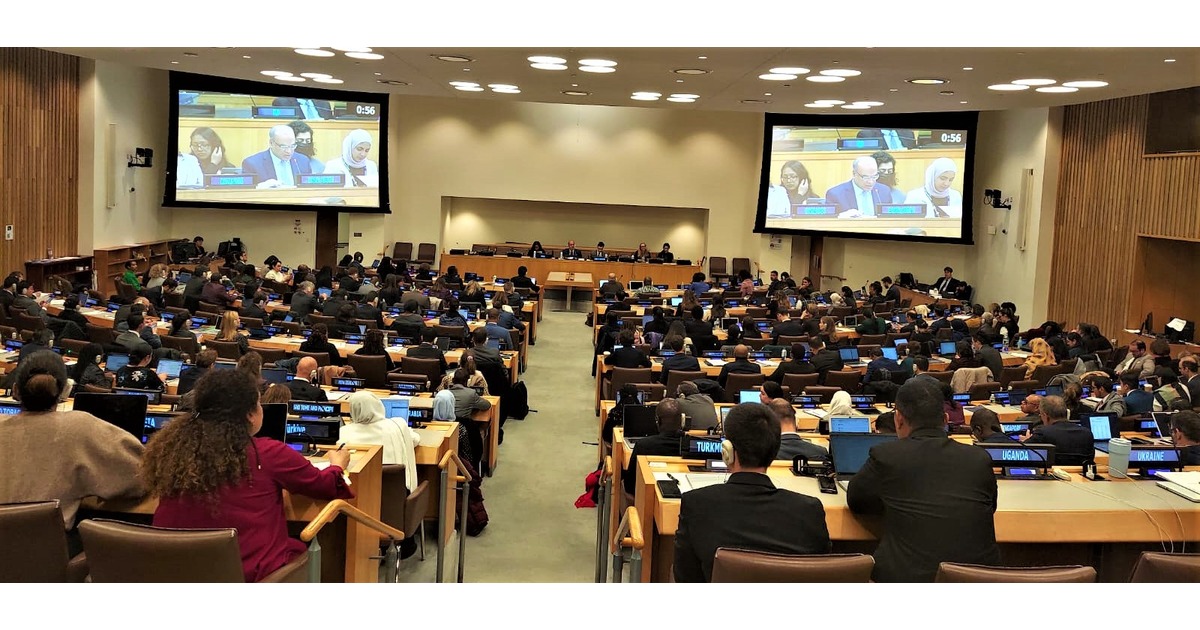
“The attacks against the peacekeepers must be accounted for, and reinvigorated efforts and initiatives are needed by all stakeholders to ensure and promote accountability for crimes against peacekeepers,” said the Permanent Representative of Bangladesh to the UN, Ambassador Muhammad Abdul Muhith while speaking at the launching event of “Group of Friends to Promote Accountability for Crime against Peacekeepers” at the UN Headquarters.Six countries – Bangladesh, Egypt, France, India, Morocco, and Nepal as co-chairs have launched the “Group of Friends to Promote Accountability for Crime against Peacekeepers”. In the launching event, the External Affairs Minister of India, H.E. Dr. S Jaishankar delivered the keynote speech. While the Permanent Representatives of 5 other co-chair countries, including Bangladesh delivered statements. The Under-Secretary General of the Department of Peace Operations, Mr Jean Pierre Lacroix and the representative from the Department of Operational Support also addressed the meeting. In the keynote speech, mentioning that upholding accountability for crimes against UN peacekeepers is a multi-stakeholder’s task, the Indian External Affairs Minister emphasized on regular monitoring and follow up on accountability issues. In his statement, Bangladesh Permanent Representative mentioned that Bangladesh’s commitment to the peacekeeping operations comes from the vision of the Father of the Nation Bangabandhu Sheikh Mujibur Rahman for a peaceful world. He emphasized on effective engagement with the host state, swift investigation into the incidents, capacity building of the host state, use of digital technology and addressing misinformation and disinformation campaign against the peacekeepers as critical issues in order to ensure and promote accountability for crime against peacekeepers. This Group of Friends will act as a platform to promote accountability for all acts of violence against United Nations peacekeepers by facilitating support to the host state, creating awareness, exchanging information, sharing best practices, supporting initiatives, and mobilizing resources. On the day of launching, 36 member-states joined the newly formed Group of Friends. 

post
Bangladesh

UN adopts Rohingya resolution by consensus

Today the Third Committee of the United Nations General Assembly adopted the annual resolution on the situation of human rights of Rohingya Muslims and other minorities in Myanmar by consensus. The resolution, jointly tabled by the member states of the Organization of Islamic Cooperation (OIC) and the European Union (EU), was cosponsored by 109 countries, the highest number of countries since 2017. The primary focus of the resolution was the human rights situation of the Rohingya Muslims and other minorities in Myanmar, including in the context of current political developments. It called upon Myanmar to address the root causes of the Rohingya crisis and create conducive environment in Rakhine to facilitate voluntary, safe and dignified return of the Rohingyas to their homeland in Myanmar. The resolution also called upon Myanmar to cooperate fully with the Special Envoy of the Secretary General on Myanmar and all the human rights mechanisms of the UN. The resolution recognized the important role of the regional countries and the regional organizations, such as ASEAN in addressing the political and humanitarian crisis in Myanmar, and in this regard called for swift implementation of ASEAN’s 5-point consensus. The resolution noted the ongoing justice and accountability processes and welcomed the developments in the case against Myanmar in the International Court of Justice and the investigation by the Prosecution of the International Criminal Court. The resolution expressed solidarity with Bangladesh and recognized Bangladesh's humanitarian efforts, and its continued cooperation with the ICC, IIMM and other accountability mechanisms towards ensuring justice and accountability for the human rights violations against the Rohingya in Myanmar. The member states have also been urged to continue its humanitarian support to the Rohingya living in Bangladesh in the spirit of responsibility and burden sharing. “Pending their return, the Rohingyas living in the camps deserve the solidarity of the international community. The humanitarian response plan needs to be adequately funded.” said Bangladesh’s Charge de Affairs Mr. Md Monwar Hossain during adoption of the resolution. In his statement he also expressed appreciation to OIC and EU for their leadership on this important human rights issue. Referring to the untenability of the protracted presence of Rohingyas in Bangladesh, Mr. Hossain stated that, “while we provided shelter to the fleeing Rohingyas out of humanitarian consideration, they were always meant to return to Myanmar. To that end, we have taken multi-pronged diplomatic efforts - both at the bilateral and multilateral fronts with a view to improving the conditions in Myanmar and facilitating their safe, voluntary and sustainable return.” This resolution in the UN is a unique example of cross regional solidarity for the Rohingya Muslims and their cause. It is a matter of great regret that the situation in Myanmar continues to deteriorate leading to delay in the repatriation of the Rohingyas to their homeland. This resolution gives the UN member States the much needed impetus to reinforce their collective efforts to achieve durable solutions for the Rohingyas. 

post
Bangladesh

Home Minister Asaduzzaman and IGP in NY, Bangladesh maintains a policy of zero-tolerance towards terrorism

“The current Government of Bangladesh, under the visionary leadership of Prime Minister Sheikh Hasina, maintains a policy of zero-tolerance towards terrorism in its all forms and manifestation”-said Asaduzzaman Khan MP, the Home Minister of Bangladesh during his bilateral meetings with Gambian Interior Minister Seyaka Sonko and Vladimir Ivanovich Voronkov, UN Under-Secretary-General for Counterterrorism held at the UN headquarters today. Those meetings took place on the sideline of the 3rd UN Chiefs of Police Summit (UNCOPS 2022), where Bangladesh’s Home Minister led the delegation accompanied by Inspector General of Police, Dr. Benazir Ahmed, BPM (BAR), and officials of the Public Security Division of the Ministry of Home Affairs, officials from Police Headquarters and Permanent Mission of Bangladesh to the United Nations.At the bilateral meeting with the Gambian Interior Minister, the two Ministers discussed the ongoing and future cooperation between the two countries in the field of UN Peacekeeping, repatriation of the Rohingyas, counterterrorism, disaster risk management.The Gambian Interior Minister commended Bangladesh's exemplary role and contribution to UN Peacekeeping. He sought support from Bangladesh in training and capacity building of the Gambian peacekeepers, particularly the Police force. He also mentioned that Gambia needs support in pre-deployment training. In response, Home Minister said that Bangladesh is ready to extend support for the capacity building of the Gambian Peacekeepers.Supplementing Home Minister, the Inspector General of Police mentioned the contribution of Bangladesh Police to UN Peacekeeping and briefed the Gambian delegation about Bangladesh’s capacity to extend training support to the Gambia. The Home Minister also said the Bangladesh Institute of Peace Support Operation Training (BIPSOT) training facilities. Home Minister thanked the Gambian delegation for supporting the Rohingya issue, particularly for filing the case in the International Court of Justice against Myanmar. He mentioned that Bangladesh has given shelter to the Rohingyas temporarily on humanitarian grounds. However, it is impossible for Bangladesh to keep the Rohingyas for a long time. It is now urgent to repatriate the Rohingyas to Myanmar. The Interior Minister praised for giving shelter to this huge population. They discussed further cooperation of the countries in expediting the repatriation of the Rohingyas. The Gambian Interior Minister also raised the issue of cooperation between Bangladesh and Gambia in counterterrorism. The Home Minister reiterated the ‘Zero Tolerance Policy” of the Prime Minister to terrorism and informed that Bangladesh would be happy to extend any support in this regard.Citing Bangladesh’s success in disaster risk management, the Gambian delegation also sought support from Bangladesh in disaster risk management and the improvement of the condition of their prison. Both sides agreed on having bilateral visits to explore the opportunities for further cooperation between the two friendly countries.During meeting with Under-Secretary-General (USG) for Counterterrorism, the Home Minister shared the various initiatives and policies undertaken by the Government of Bangladesh under the dynamic leadership of Prime Minister Sheikh Hasina and sought cooperation from the office of Counter-terrorism in the areas of mutual interest in future. In return, the USG appreciated the good practices of Bangladesh to counter-terrorism and prevent violent extremism and invited Bangladesh to share their story of success in the upcoming High-level Meeting of the Heads of Counter-terrorism institutions of the Member States scheduled to take place in June 2023. Recognizing Bangladesh as an important partner of the United Nations in its efforts to counter global terrorism, the Under-Secretary-General also expressed his readiness to extend necessary cooperation in relevant fields including financing of terrorism, nuclear terrorism, capacity building and technical assistance. Home Minister also paid a visit to the Bangabandhu Bench and Tree planted at the United Nations Garden on the occasion of the Birth Centenary of the Father of the Nation Bangabandhu Sheikh Mujibur Rahman. During this visit, he was accompanied by the Permanent Representative of Bangladesh to the United Nations, Ambassador Muhammad Abdul Muhith and Inspector General of Bangladesh Police Dr. Benazir Ahmed. 

post
Bangladesh

Bangladesh elected member of Commission for Social Development of UN

Bangladesh has been unanimously elected a member of the Commission for Social Development (CSocD), a subsidiary body of the UN Economic and Social Council (ECOSOC) for a four-year term (2023-2027). The election was held at the ECOSOC Management meeting today. Along with Bangladesh, India and the Kingdom of Saudi Arabia have also been elected to this body from the Asia Pacific Group.“Bangladesh has achieved remarkable success in poverty reduction and socio economic development under the visionary leadership of Prime Minister Sheikh Hasina. This election demonstrates the recognition of Bangladesh’s extraordinary success story by the international community,” said Ambassador Rabab Fatima, the Permanent Representative of Bangladesh to the UN after the election. Bangladesh attaches high importance to the work of the Commission. “As a member of the Commission, we would make every effort to foster international cooperation for socio-economic development by sharing our good practices”, added Ambassador Fatima. Commission for Social Development (CSocD) has been the key United Nations body that advises ECOSOC on social policies of general character and follows up the key social development themes. The Commission consists of 46 members.

post
Bangladesh

Bangladesh Foreign Minister meets US lawmakers

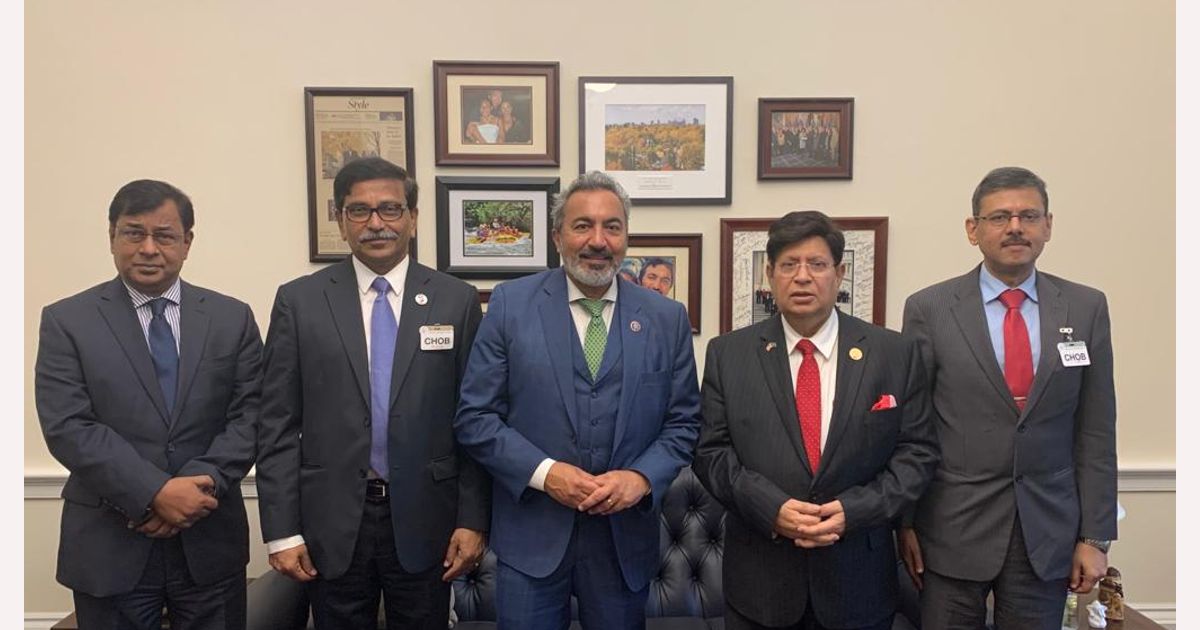
Foreign Minister Dr. AK Abdul Momen, MP, Wednesday (6 April) held meetings with two US lawmakers and discussed various issues with them.The Bangladesh Foreign Minister held separate meetings with Senator Jon Ossoff (Democrat-Georgia); and Congressman Ami Bera (Democrat-California), the Chairman of the House Foreign Affairs Subcommittee on Asia, the Pacific, Central Asia, and Nonproliferation. The meetings took place at the respective offices of the Senator and the Congressman at the US Capitol. In his meetings with the US lawmakers, Foreign Minister Momen briefed them on the impressive socioeconomic development that has taken place in Bangladesh under the dynamic and visionary leadership of Prime Minister Sheikh Hasina. The US lawmakers highly appreciated Bangladesh’s tremendous development. Dr. Momen thankfully acknowledged the strong U.S. humanitarian and political support to Bangladesh in dealing with the Rohingya crisis created by Myanmar by forcibly displacing more than 1.1 million Myanmar nationals from Rakhine State to Bangladesh. He requested the US lawmakers to persuade Myanmar in all possible ways to create a safe and secure environment in Rakhine State and take back all the forcibly displaced Myanmar nationals temporarily staying in Bangladesh to their homeland in Myanmar. The US lawmakers commended Bangladesh’s generosity in hosting this huge number of Rohingyas and said that they would continue their efforts in this regard. The Foreign Minister also called for increased trade and investment of the US in Bangladesh. He raised the issue of deportation of Rashed Chowdhury, the self-confessed killer of Father of the Nation Bangabandhu Sheikh Mujibur Rahman, and sought the support of the Senator and the Congressman in this regard. Seeking the US lawmakers’ support on lifting of US sanctions on RAB, the Foreign Minister expressed Bangladesh’s expectations that the sanctions on RAB would be withdrawn soon. He also sought their support to revitalize the Congressional Bangladesh Caucus. The Foreign Minister and the US lawmakers underscored the importance of further expanding the trade and investment relations between Bangladesh and the United States and deepening the excellent partnership in the coming days. Mahbubul Alam Hanif, Member of Parliament, M Shahidul Islam, Ambassador of Bangladesh to the United States, Shabbir Ahmad Chowdhury, Secretary (West) of the Ministry of Foreign Affairs, and officials of Bangladesh Embassy in Washington D.C. were present in the meetings.

About Us

NRBC is an open news and tele video entertainment platform for non-residential Bengali network across the globe with no-business vision just to deliver news to the Bengali community.