
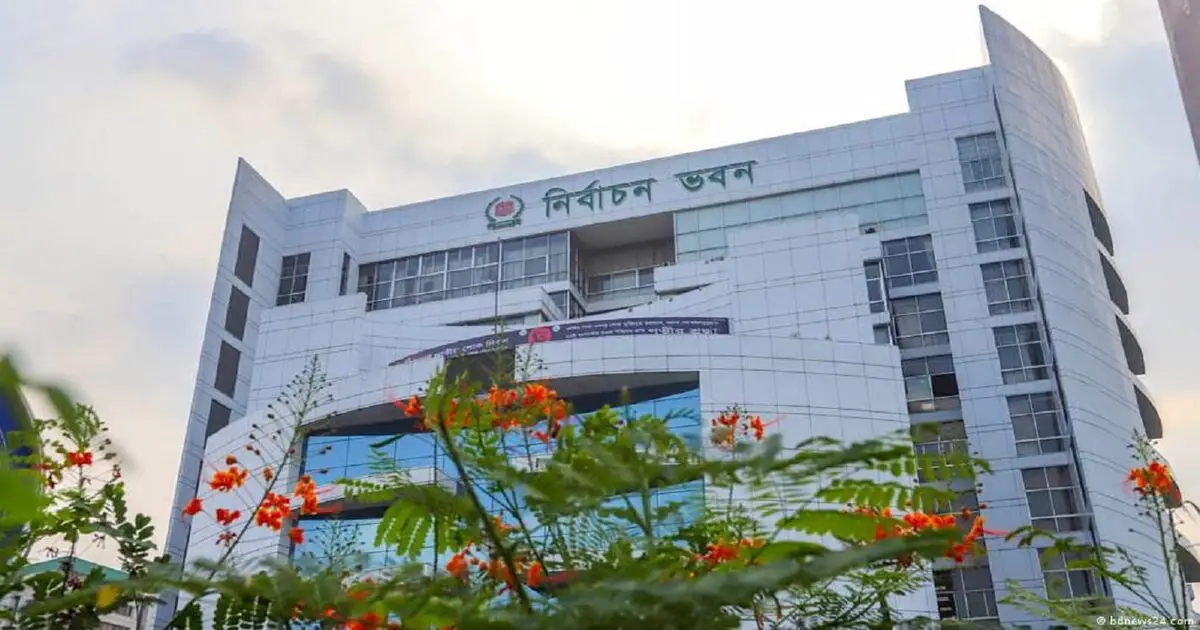
As Bangladesh prepares for its 12th parliamentary elections in January, the nation finds itself in the throes of escalating political tensions and widespread uncertainty. The battle lines have been drawn between the ruling Bangladesh Awami League (AL) and the opposition Bangladesh Nationalist Party (BNP), with the contest over the formation of the polls-time government at the center of the dispute.
The BNP has been fervently advocating for the establishment of a neutral caretaker administration, emphasising the necessity of a fair and unbiased electoral process. In direct contrast, the AL has staunchly stood by the current government, citing constitutional provisions that permit the continuation of the incumbent administration during the election period.
The resolute stance of the AL-led government, led by Prime Minister Sheikh Hasina, has sent a clear message that it will not yield to any concessions to the BNP or its key ally, Jamaat-e-Islami. Party insiders have indicated the government's determination to quash any perceived subversive activities by the opposition, particularly singling out the BNP as a platform for what they categorize as "terrorist" elements.
AL presidium member Lt. Col. (Retd.) Muhammad Faruk Khan underscored the government's readiness to employ stringent measures to thwart any attempts to disrupt the electoral process. "We will not compromise with the BNP," he declared, signaling the authorities' unwavering readiness to confront any disruptive movements with a firm hand.
The escalation follows the BNP's recent efforts to mobilize support, including a significant demonstration on October 28, which has raised concerns within the ruling party. AL joint general secretary Mahbubul Alam Hanif has echoed these sentiments, expressing the party's determination to quell any large-scale gatherings orchestrated by the opposition ahead of the elections. Hanif dismissed concerns about the effectiveness of the BNP-Jamaat's blockade program, asserting that the country's people would reject it, as they did in 2013-14.
However, this stand-off has not only polarized the political landscape but has also resulted in a surge of civil unrest, with protests and tragic incidents unfolding across the country. Experts and political analysts have emphasized the urgent necessity for meaningful dialogue between the conflicting factions, warning of further calamity if a resolution remains elusive.
Dr. Badiul Alam Majumdar, a respected political analyst, has issued a stark warning about the potential for a significant escalation if the current political deadlock persists. "A swift and effective resolution is imperative to prevent the situation from spiraling further out of control," he cautioned.
Adding fuel to the fire, the BNP has announced a fresh blockade, set to take place from Wednesday to Thursday, encompassing roads, waterways, and railways across the country. The announcement came from BNP senior joint secretary general Ruhul Kabir Rizvi in a virtual press conference on Monday afternoon.
The recent clash between the BNP and law enforcement personnel during the October 28 rally resulted in the tragic death of a Jubo Dal leader, along with numerous injuries to BNP leaders and activists. This incident set off a chain reaction of violence, leading to the loss of lives, including that of a police constable and a journalist, in various parts of the country. The subsequent arrests of several opposition figures, including BNP secretary-general Mirza Fakhrul Islam Alamgir, have further exacerbated the already tense situation, leading to accusations of stifling political dissent.
In response to the escalating crisis, the BNP and its longstanding ally, Bangladesh's largest Islamist party Jamaat-e-Islami, have initiated a series of nationwide protests, including general strikes and blockades, in their push for the resignation of Prime Minister Sheikh Hasina.
Moreover, other Islamic political parties in Bangladesh, such as Islami Andolon Bangladesh and Bangladesh Khelafat Majlish, have joined the chorus of dissent, amplifying the gravity of the situation. The Islami Andolan Bangladesh, following a massive rally in the capital, has issued an ultimatum to the government, demanding its resignation and the transfer of power to a national government inclusive of all registered and represented political parties by November 10.
Simultaneously, the Bangladesh Khelafat Majlish has planned nationwide protests on the same date, calling for the release of their detained leaders, notably Mamunul Haque, who faces an extensive list of charges.
In the midst of the escalating turmoil, prominent international and local figures, including the United States Ambassador to Bangladesh, Peter Haas, have called for immediate and unconditional dialogue between the AL and BNP to alleviate the spiraling crisis. With the electoral deadline looming and tensions reaching a fever pitch, the imperative for peaceful resolution has never been more pressing.